
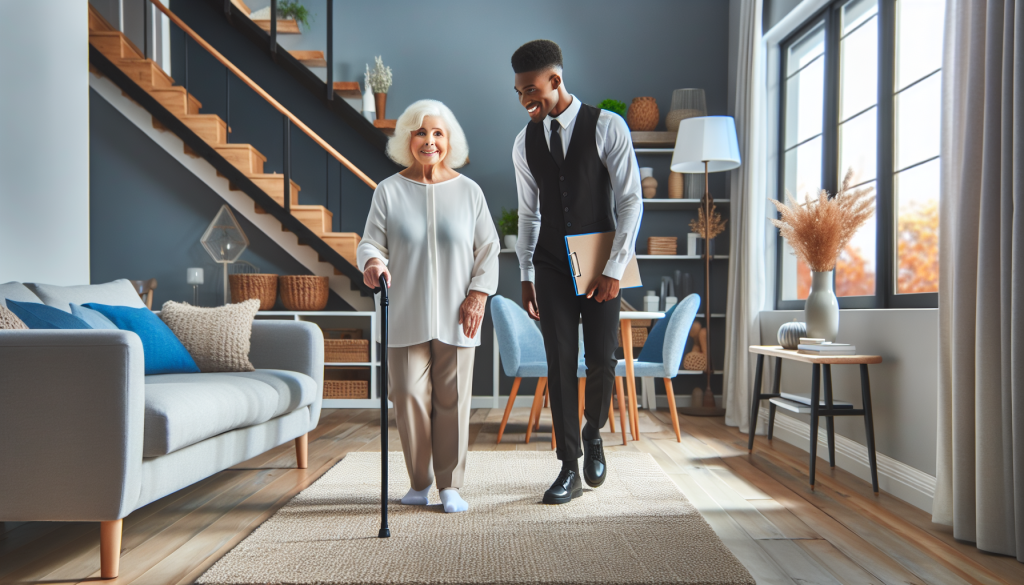
Senior Health: A Beginner's Checklist for Fall Prevention at Home
Falls are a leading cause of injury among older adults, but many falls are preventable. A combination of medical awareness, simple home modifications, smart routines, and supportive devices can dramatically reduce risk. This beginner’s checklist offers practical, actionable steps you can start today to make your home safer and your daily life more confident.
1) START WITH A HEALTH CHECK
– Medication review: Schedule a full medicine review with your primary care clinician or a pharmacist. Some drugs, especially sedatives, antidepressants, blood pressure medications, and those to treat dizziness, can increase fall risk or cause dizziness on standing. Ask about side effects, interactions, and whether any medicine you take at night could be switched to a morning dose.
– Vision and hearing: Have a comprehensive eye exam every one to two years, or as advised by your doctor. Update glasses if vision has changed. If you use a hearing aid, keep it clean and up to date.
– Balance, strength, and mobility: If you’ve noticed dizziness, unsteadiness, or a recent fall, seek a quick assessment from a clinician or physical therapist. They can suggest targeted exercises and may prescribe assistive devices or a home Exercise program.
– Chronic conditions: Conditions like arthritis, diabetes, neuropathy, or low blood pressure can affect balance. Work with your healthcare team to manage symptoms, adjust treatment plans, and recognize warning signs before a fall occurs.
2) CONDUCT A HOME SAFETY AUDIT
A room-by-room assessment helps you spot hazards before they cause trouble. Use this as a checklist you can refer to weekly.
– Entryways and hallways
– Keep paths clear of clutter; remove loose cords and extension cords from walkways.
– Ensure good lighting; install motion-activated or easier-to-reach light switches.
– Use non-slip mats inside and outside doors; consider a low-threshold entry or a ramp if steps are steep.
– Living areas
– Secure area rugs with non-slip backing or remove them entirely.
– Avoid walking on bare or waxed floors without appropriate footwear.
– Place frequently used items within easy reach to avoid standing on stools or stretching.
– Stairs
– Install sturdy handrails on both sides of stairways.
– Ensure steps are well lit; consider glow-in-the-dark strips on the edge of each step.
– Keep stairs free of toys, cords, and clutter; use a stair lift only with professional guidance if needed.
– Bedrooms
– Ensure the bed is an appropriate height—between hip and knee height is usually comfortable for most people.
– Keep a lamp, phone, water, and a notepad within easy reach.
– Use a soft, supportive mattress and consider a nightlight to ease nighttime trips.
– Bathrooms
– Install grab bars near the toilet and inside/outside the shower or bathtub.
– Use a non-slip mat or decals in the shower and in front of the sink.
– A shower bench or chair and a handheld showerhead reduce the need for standing and bending.
– Consider a raised toilet seat to reduce bending.
– Kitchen
– Arrange the most-used items at waist height to avoid reaching, bending, or climbing stools.
– Use a stable step stool with a handrail if you need to reach high shelves, and never stand on a chair.
– Keep floors dry; wipe up spills immediately to prevent slipping.
3) FOOTWEAR, GAIT AID, AND SAFE MOVEMENT
– Footwear: Wear supportive, well-fitting shoes with non-slip soles and closed toes. Avoid loose slippers or socks on smooth floors. If you have foot pain or deformities, get footwear fitted by a professional.
– Balance aids: If your clinician recommends a cane or walker, ensure it is properly sized and that you know how to use it safely. Have a friend or family member check the fit and train you on its use.
– Movement habits: Stand up slowly from a seated position to avoid orthostatic dizziness. When turning or pivoting, avoid twisting your body with a full load of weight.
4) Exercise FOR BALANCE, STRENGTH, AND FLEXIBILITY
Regular Exercise is one of the best protections against falls. A well-rounded routine includes balance, leg and core strength, and flexibility.
– Aim for at least 150 minutes of moderate aerobic activity weekly (e.g., walking, cycling on a stationary bike) plus two or more days of strength training.
– Include balance-focused activities such as:
– Standing on one foot (near a sturdy chair for support)
– heel-to-toe walking
– Tai chi or simple yoga-based balance routines
– Start slowly and progress gradually. If you’ve had a recent fall or have osteoarthritis, work with a physical therapist to tailor exercises safely.
– Gentle daily routines: heel raises, knee bends, and ankle rolls can build leg strength at home.
5) VISION AND HEARING SAFETY
– Regular eye exams help keep depth perception and contrast sensitivity sharp, which are crucial to navigating stairs and uneven floors.
– Update lenses as vision changes; consider high-contrast daytime lighting and clearly marked steps or edges.
– Hearing health matters too. Proper hearing can help with balance and spatial awareness; follow through on appointments and device use.
6) LIGHTING AND CONTRAST FOR BETTER navigation
– Improve overall lighting and reduce shadows in hallways, stairwells, and entryways.
– Use nightlights in bedrooms, bathrooms, and hallways, with lighting that comes on automatically with motion or at a set time.
– Use high-contrast color cues for steps, door frames, and bathroom fixtures to help with depth perception.
7) WATER, NUTRITION, AND HYDRATION
– Hydration: Dehydration can cause dizziness and faintness. Aim for regular fluid intake throughout the day unless advised otherwise by a clinician.
– Nutrition: A balanced diet supports bone and muscle health. Ensure adequate protein and include calcium and vitamin D-rich foods or supplements as advised by your doctor.
– Alcohol: Limit to moderate or none; alcohol can increase dizziness and interact with medications.
8) SLEEP AND AVOIDING DIZZY HEADLINES
– Sleep quality affects balance and reaction times. Follow good sleep hygiene: consistent bedtime, a comfortable sleep environment, and avoidance of heavy meals or screens right before bed.
– If you wake with dizziness or lightheadedness, rise slowly from bed and sit for a moment before standing.
9) MEDICATION SAFETY AND A LIST TO KEEP
– Create and keep an up-to-date medication list, including dosages, times, and what each medicine is for.
– Bring this list to every clinic visit and pharmacy appointment.
– Check for duplicates, drug interactions, and medicines that could cause dizziness. Do not stop any medication abruptly without medical guidance.
– Use a pill organizer and daily routine cues to prevent missed or double-dosed medications.
10) EMERGENCY PLANNING AND FALL RESPONSE
– Wearable medical alert devices (pendants or bracelets) or mobile apps that share your location with a caregiver or emergency service.
– Create a simple fall plan: teach family or neighbors what to do if you fall (e.g., call you, check for injuries, contact help).
– Keep emergency numbers visible and accessible by the phone; include primary care physician, a nearby relative or caregiver, and local emergency services.
– Consider a home alert system with motion detectors or fall-detection sensors if appropriate and affordable.
11) HOME MODIFICATIONS: WHAT TO DO FIRST
– Start with the high-impact, low-cost upgrades:
– Install secure grab bars in bathrooms and near the toilet.
– Improve lighting, especially along corridors and stairs.
– Remove loose rugs or secure them with non-slip backing; use anti-slip mats in bathrooms.
– Replace worn carpeting or slick flooring where possible.
– Keep a clear, unobstructed path from the bedroom to the bathroom and kitchen.
– For more comprehensive safety, consult an occupational therapist who can provide a tailored home assessment and recommendations.
12) OUTDOOR SAFETY
– Pathways and sidewalks should be even and free of cracks; repair trip hazards.
– Use weather-appropriate footwear; apply anti-slip treatments to outdoor steps in winter.
– Keep a clear route to the mailbox, car, and wheelchair-accessible entry if needed.
13) A SIMPLE WEEKLY HABIT PLAN
– Monday: Review your medication list with a caregiver or family member; note any changes.
– Tuesday: Do a 20–30 minute balance and strength routine; include chair-assisted exercises.
– Wednesday: Check safety in one room (bathroom or stairs) and make improvements as needed.
– Thursday: Test lighting in dark areas; replace any burnt-out bulbs with brighter, energy-efficient options.
– Friday: Do a quick fall risk self-check: can you reach items easily? Are you using your gait aid correctly?
– Weekend: Practice a short outdoor walk or light activity; perform a 10-minute home safety scan to ensure nothing has shifted.
14) WHEN TO SEEK HELP AFTER A FALL
– Even a minor fall deserves attention if you experience pain, swelling, numbness, weakness, confusion, dizziness lasting more than a few minutes, or any loss of function.
– If you’re unable to get up after a fall, call emergency services immediately.
– After any fall, schedule a medical evaluation to identify underlying causes and prevent recurrence.
15) RESOURCES AND SUPPORT
– Community centers and senior centers often offer balance classes, fitness programs, and home safety consultations.
– Government and nonprofit resources (such as public health departments, AARP, and elder care services) can provide home safety checklists, equipment loans, or subsidies for safety devices.
– Ask a trusted family member or friend to provide accountability, help with equipment, or join you on Exercise sessions.
A SAFER HOME, A SAFER LIFE
Preventing falls is not about heroic feats; it’s about small, consistent steps that add up to a safer, more independent life. Start with a medical checkup to identify harms from medications or vision changes, then move through home safety improvements, appropriate footwear and mobility aids, and a gentle, ongoing Exercise routine. Build routines around hydration, nutrition, sleep, and medication safety, and establish a clear emergency plan. By taking these beginner-friendly steps, you can significantly lower your risk of falls at home while supporting your health, confidence, and independence.
If you’d like, I can tailor this checklist to your living situation, budget, and medical needs, or help create a simple, printable version you can post around the house.