
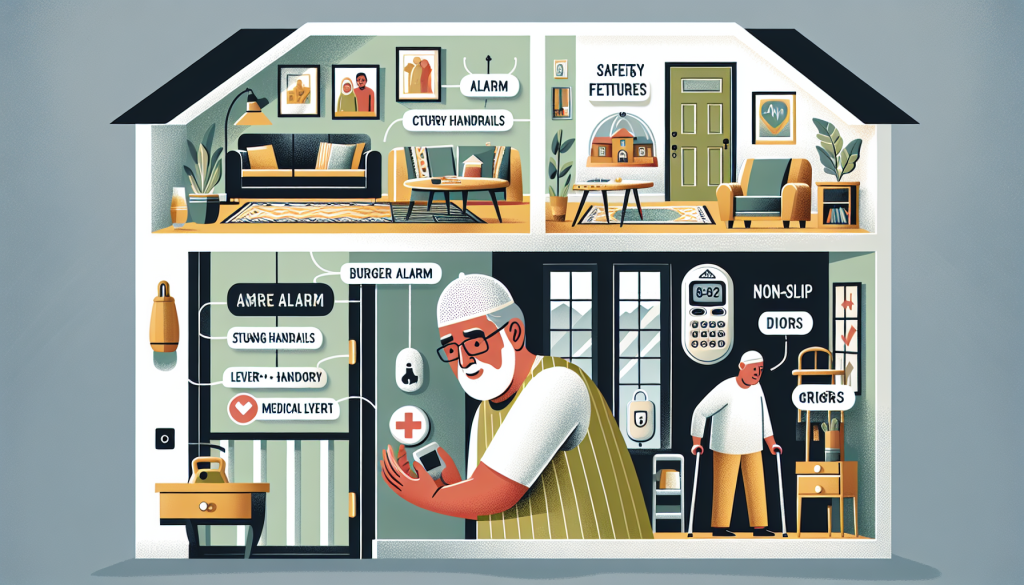
Senior health: at-home safety checklist for seniors living alone
Living alone can offer independence, comfort, and control over daily life. It can also bring safety challenges, especially as health changes, vision or hearing declines, or mobility becomes limited. A practical, proactive at-home safety checklist helps reduce risk, supports daily functioning, and promotes peace of mind for seniors and their loved ones. The goal is not to overprotect, but to create a safer, more confident living environment that can adapt as needs evolve.
Why home safety matters for seniors living alone
Falls are the leading cause of injury among older adults and can lead to longer hospital stays, loss of independence, or permanent changes in mobility. At home, hazards such as slick floors, cluttered pathways, poor lighting, and risky kitchen or bathroom setups can raise the risk of accidents. Medication mismanagement, fire or smoke exposure, and social isolation can also threaten health and safety when there isn’t someone nearby to assist.
A well-planned home safety approach focuses on reducing hazards, improving accessibility, and establishing systems for quick help if something goes wrong. It can be implemented gradually, room by room, and adjusted as needs change. Always involve a healthcare provider when planning significant modifications or addressing complex health issues.
A room-by-room safety mindset: the core areas to assess
The following checklist covers the most important areas where modifications can reduce risk for seniors living alone. Use it as a guide to identify priorities, then create an action plan with timelines and budget in mind.
1) Fall prevention and mobility in the living areas
– Clear all floor clutter: keep walking paths free of cords, pet toys, mats with curling edges, and heavy bags.
– Secure throw rugs or remove them; if using them, use non-slip backs and non-slip rug pads.
– Improve lighting along hallways and stairways; consider motion-activated night lights for overnight trips to the bathroom.
– Install sturdy handrails on both sides of stairways and in hallways; ensure they are securely mounted to wall studs.
– Use non-slip mats in the bathroom and kitchen; add a shower mat with grip or a shower chair if balance is a concern.
– Consider grab bars near the toilet, in the shower, and at the bath entry.
– Keep frequently used items within easy reach (eye level or chest height) to avoid reaching or bending twisting movements.
– If mobility is limited, discuss with a clinician whether assistive devices (canes, walkers, wheelchairs) should be used at home, and ensure they are properly fitted and in good repair.
– Use stair-free living areas if possible by rearranging the layout or adding a compact, safe stair lift where appropriate.
2) Lighting, visibility, and safety sensing
– Install bright, glare-free lighting in all frequently used areas; use lamps with warm, consistent color temperature to reduce eye strain.
– Place light switches at the top and bottom of stairs and at entry doors; consider covering plates that are easy to press or flip.
– Use high-contrast color cues for steps, edges, and thresholds to improve depth perception.
– Keep essential items like eyeglasses, a phone, and a flashlight within easy reach near the bedroom or living area.
– Consider a smart lighting system or motion-sensor lights that automatically illuminate pathways at night.
3) Medication safety
– Use a labeled pill organizer (daily and weekly) and set reminders on a phone, clock, or medication dispensing device.
– Review all medications, vitamins, and supplements with a pharmacist or prescriber for interactions and side effects that increase fall risk or drowsiness.
– Store medicines in a single, secure location, away from heat and moisture, and keep a current list of all meds with dosages and times.
– Dispose of expired medicines properly according to local guidelines.
– Consider a home medication management service or a caregiver’s support for weekly refill checks.
4) Fire safety and carbon monoxide protection
– Ensure working smoke detectors on each floor and near sleeping areas; test monthly and replace batteries twice a year.
– Install carbon monoxide detectors in appropriate locations (near sleeping areas and near fuel-burning appliances) and test regularly.
– Keep a charged cell phone or a landline within easy reach of the bedroom; consider a wearable personal alarm with fall detection if appropriate.
– Maintain a clear path to exits; practice a simple home evacuation plan, including a plan for pets.
– Have a basic fire extinguisher accessible in the kitchen and know how to use it.
– Avoid overload of electrical outlets and unplug nonessential appliances when not in use.
5) Kitchen safety and healthy routines
– Keep counters clear and store heavy items (like pots and canned goods) in cabinets within easy reach.
– Use small, simple kitchen appliances and keep cords away from water or heat sources.
– Never leave cooking unattended; use timers and set reminder alerts.
– Wear appropriate clothing when cooking (avoid loose sleeves that could catch fire).
– Store knives in a magnetic strip or drawer with a safe organizer; use a non-slip cutting board.
– If distance to the stove or oven is a concern, consider a countertop induction cooktop or other safer cooking options, and keep a fire blanket accessible.
– Keep a water pitcher or bottle in the fridge or at the bedside to prevent dehydration if mobility issues make frequent trips to the kitchen necessary.
6) Bathroom safety and personal care
– Use non-slip mats inside and outside the shower or tub; consider a bath chair and a removable handheld shower head.
– Install grab bars near the tub or shower entry and next to the toilet for support with transfers.
– Add a raised toilet seat if bending is difficult; ensure the seat height suits the user for safe sitting and standing.
– Keep toiletries within easy reach on a low, stable shelf or organizer; use labeled containers to reduce spills.
– Maintain a comfortable, stable water temperature with anti-scald devices to prevent burns.
– Consider a shower stool or bench if balance is uncertain or if showering is tiring.
– Keep a non-slip floor mat in front of the sink and toilet; dry the floor after bathing.
7) Laundry, laundry care, and housekeeping routines
– Keep laundry areas well-lit and uncluttered; ensure the ironing board and laundry baskets are stable and reachable.
– Use a washing machine with front-loading access if bending is difficult; or consider a top-loading option with easy-to-reach controls.
– Store cleaning supplies in a safe, locked cabinet if cognitive changes or memory concerns exist.
– Schedule regular housekeeping assistance if keeping up with chores becomes challenging; consider a legal agreement with a trusted service.
8) Sleep environment and energy management
– Maintain a comfortable, quiet, and cool sleeping environment; minimize noise and keep a stable routine.
– Place a nightlight in the bedroom and ensure paths to the bathroom are well lit.
– Use a low bed or adjustable-height bed to facilitate getting in and out with less strain.
– Keep a glass of water and a small light source near the bed for night-time needs.
9) Mobility devices and home accessibility aids
– Keep walking aids in consistent locations (e.g., near the bedroom and living room) to avoid searching.
– Use reacher tools, long-handled grabbers, and sock/stocking aids to reduce bending and over-reaching.
– Have a trusted professional assess door widths, thresholds, and entryways for wheelchair or walker access; add ramps if steps are a barrier.
– Ensure floor surfaces are level and even; fix loose floorboards or tiles promptly.
10) Social connections, mental health, and cognitive safety
– Schedule regular check-ins with family, friends, or neighbors; establish a daily or weekly call routine.
– Consider community resources: senior centers, volunteers, and home health aides who can check in, assist, or provide companionship.
– Be mindful of signs of loneliness, isolation, depression, or confusion. Seek professional input if mood changes, increased forgetfulness, or sudden withdrawal from activities occur.
– Use simple reminders for appointments and important dates; consider a whiteboard or calendar in a central location.
11) Emergency planning and personal alert systems
– Have a simple, accessible emergency plan: whom to call, where to go, and how to contact help quickly.
– If possible, wear a lightweight personal alarm or smart pendant that can summon help with a single press; ensure responders know how to reach caregivers or neighbors in an emergency.
– Share the plan with one or two trusted neighbors or nearby relatives; provide them with up-to-date contact information and a sample “I need help” message.
A practical, printable at-a-glance safety checklist
This condensed version can be printed and kept near the refrigerator or by the bedside. Mark yes/no or add notes after each item.
– Falls prevention: Clear walkways; secure loose rugs; install handrails; use non-slip mats; adequate hallway lighting.
– Lighting and visibility: Bright, glare-free lighting; night lights; accessible switches; high-contrast steps.
– Medication safety: Daily pill organizer; medication list; pharmacy review; proper storage and expiry checks.
– Fire and CO safety: Working smoke/CO detectors; accessible fire extinguisher; evacuation plan; charged phone by bed.
– Kitchen safety: Unplug unused appliances; timers; safe clothing; safe storage heights; simple meals.
– Bathroom safety: Non-slip mats; grab bars; shower chair; raised toilet seat; anti-scald devices.
– Mobility aids: Walker or cane in easy reach; reacher and sock aid available; clear stair access.
– Sleep environment: Quiet, cool room; proper bed height; accessible water by the bed.
– Social and mental health: Regular calls or visits; community resources; routine activities; signs of isolation monitored.
– Emergency plan: Easy-to-remember steps; trusted contacts; wearable alert if applicable.
Step-by-step guide to a home safety audit you can do today
1) Set priorities based on risk
– Start with the biggest hazards: bathroom and kitchen, then bedrooms and stairs. If there are memory concerns or high fall risk, add medication safety and emergency planning to the top of the list.
2) Do a room-by-room walk-through
– In each room, look for tripping hazards, poor lighting, clutter, and reach limitations. Note potential fixes and estimated costs.
3) Test and document
– Test smoke and CO detectors; review their placement and battery life.
– Check door thresholds, stair handrails, and the reach of essential controls (light switches, thermostat, phone charger).
4) Make quick, cost-effective changes first
– Add night lights, anti-slip mats, and simple lever-style door handles if necessary.
– Use a temporary safety brace for a shower or tub until a more permanent solution is planned.
5) Plan bigger modifications
– Prioritize bathroom and kitchen safety upgrades first; then assess long-term adaptations like a stair lift or widened doorways if needed.
– Get quotes from home modification specialists or aging-in-place contractors and involve a healthcare professional or occupational therapist for a home assessment if available.
6) Create a maintenance calendar
– Schedule annual safety checks: smoke/CO detectors, water heater temperature checks (to keep hot water safe but usable), stair rail integrity, and re-evaluation of medications with a pharmacist.
7) Build a support network
– Establish a recurring check-in routine with a trusted neighbor, family member, or caregiver.
– Consider local programs that offer home safety visits, fall risk assessments, or home modifications guidance.
Lifestyle and policy considerations for aging in place
– Engage a clinician: Discuss a personalized safety plan with a primary care doctor, geriatrician, or occupational therapist who can tailor recommendations to your health status, vision, hearing, diabetes, or cognitive changes.
– Budget wisely: Start with low-cost, high-impact changes (lighting, fall hazards, medication management) and gradually add larger adaptations as finances allow.
– Prioritize accessibility: Simple changes like lever handles, higher-contrast labels, and reachable storage benefit most people and can be implemented incrementally.
– Use technology thoughtfully: Home safety devices (motion sensors, smart lights, voice-activated assistants) can reduce effort and improve safety, but ensure devices are easy to operate and compatible with user needs.
– Respect independence: Plan modifications that support autonomy rather than restrict it. Involve the senior in decisions to maintain dignity and engagement.
Do’s and don’ts for seniors living alone
Do:
– Schedule regular safety reviews and keep a written plan of changes and who to contact.
– Use non-slip mats and grab bars in bathrooms and along key entry points.
– Keep a charged phone with emergency contacts accessible at all times.
– Maintain routine health checks and medication reviews with healthcare providers.
– Build a supportive network of family, friends, neighbors, and community resources.
Don’t:
– Clutter spaces or delay addressing a known hazard.
– Overload electrical outlets or run cords in high-traffic areas.
– Rely on one person for all care; diversify support to include neighbors, caregivers, or social services.
– Ignore signs of cognitive decline, significant vision/hearing changes, or persistent mood issues.
– Attempt major home renovations without professional guidance when safety or structural concerns exist.
Maximizing safety while maintaining independence
A comprehensive at-home safety plan centers on practical changes that reduce risk, increase access, and support daily living. It is not a one-time fix but a living strategy that evolves with health status, living arrangements, and personal preferences. Families can collaborate with seniors to identify goals—from simple improvements like better lighting to more substantial modifications such as a ground-floor living space or a shower retrofit.
If you’re helping a loved one, approach conversations with respect and a focus on autonomy. Offer choices and present options with clear trade-offs (cost, convenience, and safety). Document decisions and follow up to ensure changes are implemented and effective.
When to seek professional help
– If a fall occurs or there is a concern about ongoing balance or mobility issues.
– If medication management becomes difficult, resulting in missed doses or adverse interactions.
– If mental health concerns arise, including withdrawal, persistent sadness, or memory changes.
– If home hazards are persistent or cascading (one fix reveals another risk).
Local and online resources can guide you through safer aging-in-place strategies. Look for:
– Local aging services and centers offering home safety assessments.
– Fire department safety visits or public health programs related to fall risk.
– Occupational therapy consultations, either in-home or via telehealth, for personalized accessibility recommendations.
– Reputable consumer safety organizations offering checklists and product recommendations.
Conclusion
Senior health is deeply connected to the safety of the environment in which a person lives. An at-home safety checklist for seniors living alone helps identify hazards, prioritize improvements, and create a safer, more comfortable daily life. By focusing on fall prevention, medication management, fire and kitchen safety, bathroom accessibility, mobility aids, sleep, social connections, and emergency planning, you can reduce risk without sacrificing independence.
Take the first step today: choose one or two high-impact changes—such as installing non-slip bath mats and night lights, organizing medications with reminders, or setting up a simple personal alert system—and plan a short-term timeline to implement them. Then progressively build a safer home that supports health, independence, and peace of mind for years to come. If you’re unsure where to start, consult with a healthcare professional or aging-in-place specialist who can tailor recommendations to your specific health needs and living situation.